

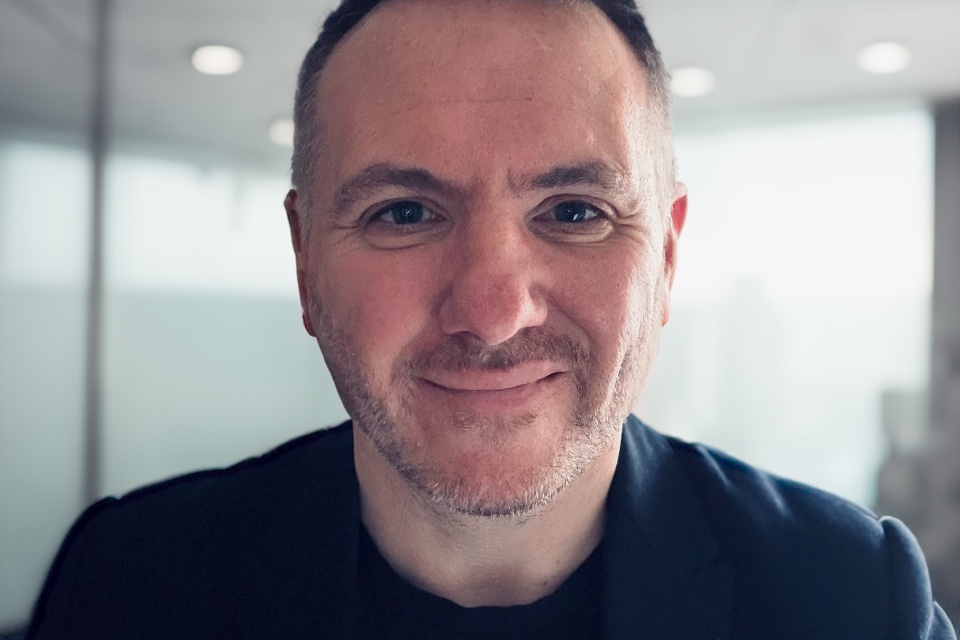
From funding pressures and increasingly complex care needs to the rapid emergence of AI, the UK’s care sector is navigating a period of significant change. For Neil Reid-Chesworth, Chief Operating Officer at Bira Care Group, the response needs to keep one principle firmly in sight: supporting the human in front of you.
As a member of our Care Advisory Board, Neil brings an operator’s perspective to the challenges and opportunities shaping the sector.
The Board brings together senior care leaders to help inform the development of the Care Forum and Care Briefing, sharing insight into the issues facing providers and helping ensure the event, its content and wider community reflect the priorities of those working across care.
In the first of our Care Advisory Board Q&A series, we speak to Neil about funding pressures, the potential of AI to give frontline staff more time with residents, why leadership development needs to start before managers begin struggling, and the culture of fear he believes can inhibit innovation and learning across care…
What do you see as the biggest operational challenge facing care providers right now – and what needs to change to address it?
From our experience, one of the biggest challenges to care quality and outcomes for residents is the reduction in provision and support from government-funded partners. Local authorities and health boards are under financial pressure, and that hasn’t just translated into limited fee uplifts. It has also affected the support they are able to provide.
We are seeing government-funded agencies grappling over who is responsible for funding care and meeting the basic needs of vulnerable residents. This is compounded by people’s needs becoming more complex, with overall dependency levels quietly increasing.
Providers have limited influence over those financial pressures, but there are things we can do to ease the burden on residents and our frontline teams. Building strong relationships with commissioning teams, social workers, and governance nurses is more essential than ever. At Bira, we have improved our pre-assessment process and consider the needs and capacity of the whole home before offering a placement.
Ultimately, joined-up working needs to improve, and a full government review is needed to understand the increasing complexity of people’s care needs and how services should be funded and supported to meet them.
Where do you think care providers have the greatest opportunity to improve outcomes for residents and service users over the next few years?
I think we have a unique opportunity to refocus on what care is really about – supporting the human in front of you.
Frontline staff have to divide their time between people, paperwork, and regulatory requirements. The administration of care is important, but it has slowly eroded the time carers have to focus on the needs, wants, and wishes of the people they support.
The development of AI and automation gives us an opportunity to significantly reduce that administrative burden, allowing staff more time to focus on the individual. That includes conversation, companionship, and the everyday things that make life meaningful. Those things should be central to care.
How do you think technology and AI should be used to improve care – and where should the sector be cautious?
I believe AI and assistive technology will revolutionise care over the next few years – that process has already begun. We are seeing live data, AI-supported audits, and technology designed to identify patterns that may indicate an increased risk of falls or changes in someone’s health.
As I’ve already said, embracing these tools should free up time for frontline staff, making residents the focus of our time and attention.
Should we be cautious? Yes. We need to protect people’s information, check that systems work reliably, and make sure professional judgement remains central to decisions about care. Staff also need to understand the limitations of the technology they are using.
But my instinct is that we shouldn’t stall. The technology is developing so quickly that its capabilities can change significantly between choosing a system and introducing it. There is learning to do, and that learning needs to start now.
What I’d like to see is the regulator working alongside providers, supporting the responsible testing of new technologies and helping us understand how to demonstrate that they improve care. If we are too scared to try because of what the regulator might think, we risk missing a significant opportunity to improve residents’ lives.
What does good leadership look like in care today, and how can organisations develop the next generation of care leaders?
Good leadership in care starts with understanding the impact you have on other people. It means setting clear expectations, being consistent, listening, and creating an environment where staff feel valued and confident enough to speak openly, ask for help, and learn. We should be able to maintain high standards while giving people the support and trust they need to meet them.
One of my biggest concerns is how quickly people can progress through the ranks in care without genuine investment in their leadership development. Someone can be an excellent carer, become a senior, and then move into management with significant responsibility for people, culture, and performance. Being good at delivering care doesn’t automatically prepare someone to lead a team. We have to take responsibility for preparing people for the roles we ask them to fulfil.
For me, line manager training and senior manager training are an essential part of that investment. The focus needs to be on the everyday practice of good leadership: understanding your own behaviour, recognising good work, having honest conversations, handling difficult situations fairly, and helping others develop. Senior managers also need to understand how their decisions and responses to pressure shape the culture throughout the organisation. Training needs to be followed by mentoring, feedback, and time to put learning into practice.
We also need to look honestly at how our leadership is experienced. At Bira, we have used Thrivio.co.uk and found it beneficial. Its Leadership Mindset Self Assessment and Organisational Leadership Health Survey bring together how managers believe they lead and how staff actually experience that leadership. Understanding the gap between the two gives us a clearer starting point for development.
If we want the next generation of care leaders to succeed, we need to invest in them before they are struggling. The way we support our managers influences how they support their teams, and ultimately the experience of the people in our care.
If you could change one thing about the way the care sector currently operates, what would it be – and why?
I would change the culture of fear that I see too often in the care industry.
There are checks and balances at every turn: contract monitoring, regulatory inspections, safeguarding processes, Nursing and Midwifery Council registration, and Social Care Wales registration. The level of scrutiny on care providers and frontline staff can feel overwhelming.
I welcome accountability. Residents should be safe, and providers and professionals should be held responsible for the quality of care they deliver. But I think the way scrutiny is experienced can drive fear and defensiveness, making people less confident about speaking openly, learning, or trying something new.
People thrive in positive environments, and that includes both residents and staff. I’d like to see more openness, shared learning, and practical support for improvement, alongside clear accountability when things go wrong.
Looking ahead three years, what change or development do you think will have the biggest impact on care providers?
Simple, AI.
As I’ve already mentioned, AI has the potential to revolutionise care as we know it. Harnessed correctly, I believe it could significantly reduce the administration of care and the time spent gathering and presenting evidence for regulatory assurance.
For me, the real measure of success will be how much time it gives back to frontline teams to focus on genuine person-centred care. That is where I want to see the biggest impact.
Join the Conversation at the Care Forum
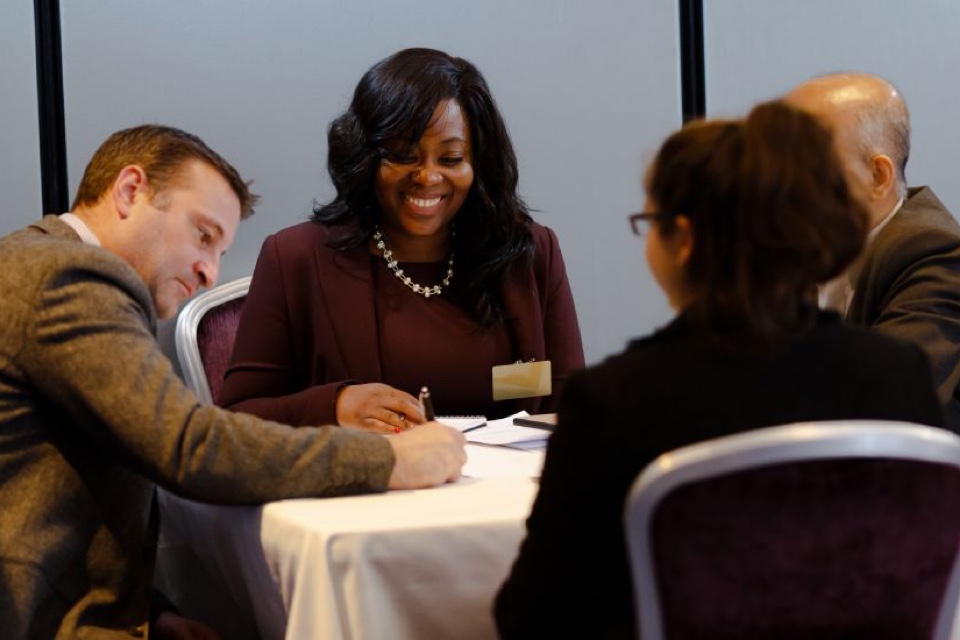
The Care Forum brings together senior care-sector professionals and relevant solution providers for focused one-to-one meetings, peer discussion and insight into the challenges and opportunities shaping care provision.
The Care Advisory Board helps ensure those conversations remain grounded in the realities facing providers, from workforce and leadership to technology, regulation and changing care needs. Click here if you would like to become part of the Care Advisory Board.
For care leaders looking to share experiences with peers, explore new approaches and meet suppliers supporting the sector, the Care Forum provides a focused environment in which to continue those conversations.