


Technology is playing an increasingly important role in supporting safety and wellbeing in nursing homes. From wearable devices to room-based sensors, digital monitoring tools can help staff detect risks earlier, respond faster to incidents and support residents to live more independently. However, for care home leaders at the Care Forum the challenge is not simply adopting new technology: it is ensuring that systems enhance care without compromising dignity, privacy or trust…
Supporting independence through discreet monitoring
Many modern care technologies are designed to be less intrusive than traditional monitoring approaches. Wearable devices, for example, can track movement patterns, detect falls or monitor vital signs while allowing residents to move freely throughout the home.
Similarly, room sensors can detect unusual activity, such as prolonged inactivity or nighttime wandering, without requiring constant staff supervision. When used appropriately, these systems allow residents to maintain independence while ensuring staff are alerted when intervention may be required. The goal is to support autonomy rather than restrict it.
Choosing the right technology for the environment
Not all monitoring technologies are suitable for every care setting. Leaders should consider factors such as resident needs, layout of the building and staff workflows when evaluating solutions.
For example, wearable technology may be effective for residents who are mobile and comfortable using devices, while discreet environmental sensors may be more appropriate in dementia care settings where devices could be removed or misplaced.
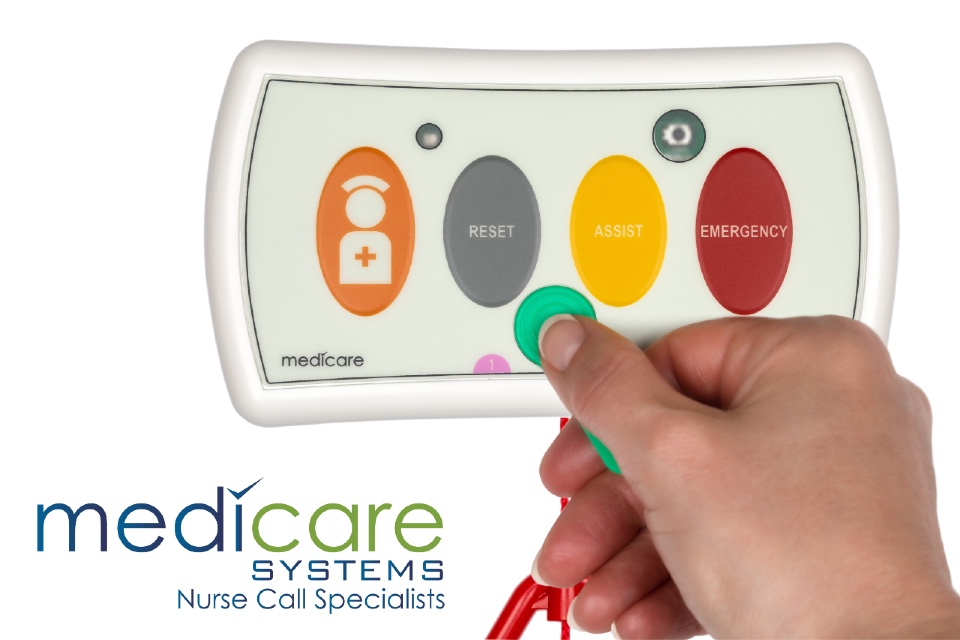
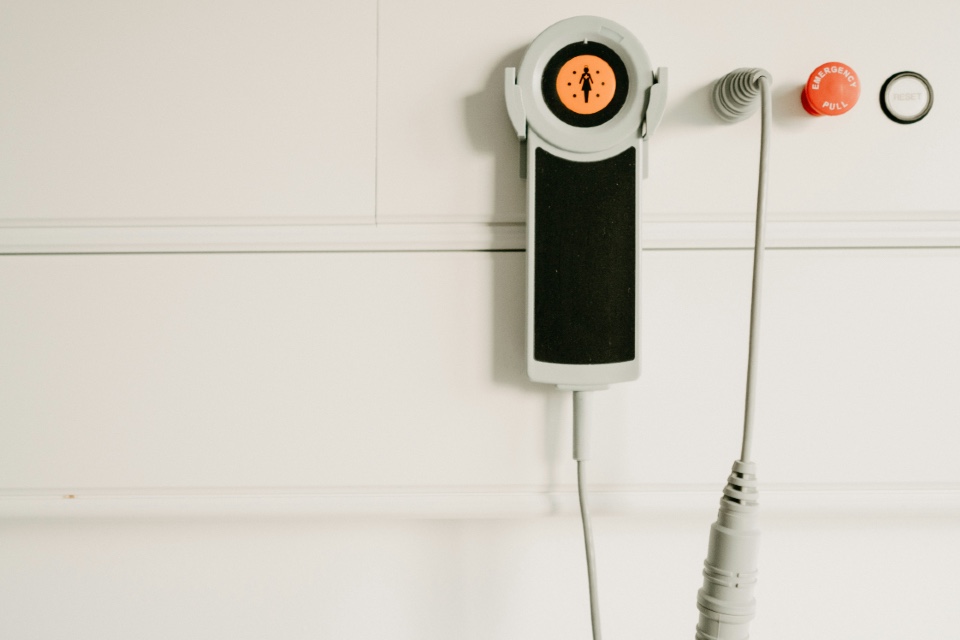
Integration with existing systems (such as nurse call platforms or electronic care records) is also important to ensure alerts and data can be acted upon quickly by care teams.
Ethical and transparent deployment
Introducing monitoring technologies also raises important ethical considerations. Residents and families should clearly understand what information is being collected, how it is used and who has access to it.
Transparent communication is essential to build trust. Many care providers involve residents, relatives and staff in discussions before introducing new systems, ensuring that technology supports the organisation’s values and care philosophy.
Consent and data protection requirements must also be carefully managed, particularly where personal health or behavioural data is involved.
Technology as a support, not a replacement
While monitoring systems can enhance safety and efficiency, they are not a substitute for human care. Instead, the most effective deployments use technology to free up staff time for more meaningful interaction with residents.
For nursing home leaders, the priority is finding the right balance, adopting tools that improve safety and operational insight while preserving the dignity, independence and personal relationships that remain at the heart of high-quality care.
Are you searching for Nurse Call Systems for your organisation? The Care Forum can help!