

Effective infection prevention in a care home depends on much more than purchasing disinfectant, gloves and hand sanitiser. Managers need to ensure that the right products are available, suitable for the intended task, stored safely and used consistently by properly trained staff.
The product range must also reflect the needs of residents, the layout of the home and the types of care being delivered. A residential home may have different requirements from a service supporting people with complex clinical needs, while an outbreak can rapidly increase demand for personal protective equipment, cleaning products, laundry supplies and waste capacity.
Care managers should therefore review infection-control supplies as part of a wider system covering risk assessment, cleaning schedules, staff responsibilities, training, stock monitoring and quality assurance. Care Quality Commission (CQC) expectations include keeping premises and equipment clean and hygienic, maintaining clear infection-control responsibilities and following current national guidance.
This guide examines the principal categories of care home cleaning supplies and infection prevention products that operators may need to review.
At a Glance: Care Home Infection Control Supplies
| Product Area | What Managers Should Review |
|---|---|
| Cleaning chemicals | Suitability, contact times, dilution and compatibility |
| Cleaning equipment | Colour coding, storage, maintenance and replacement |
| PPE | Task-based selection, sizing, access and stock resilience |
| Hand hygiene | Sinks, soap, sanitiser, towels and placement |
| Care equipment | Cleaning instructions and responsibilities |
| Laundry | Segregation, bags, transport and washing processes |
| Waste | Correct containers, segregation, storage and collection |
| Spill management | Body-fluid spill kits and staff procedures |
| Monitoring | Audits, checklists, stock records and corrective actions |
| Training | Product use, PPE, hand hygiene and waste handling |
| Procurement | Standards, supply continuity and total cost |
| Outbreak readiness | Emergency stock levels and rapid replenishment |
What Are Care Home Cleaning Supplies?
For the purposes of this guide, care home cleaning supplies are the products, equipment and consumables used to maintain a hygienic care environment and reduce the risk of infection spreading between residents, staff and visitors. They can include:
- Detergents and disinfectants
- Disposable cloths and wipes
- Mop systems
- Buckets and cleaning trolleys
- Vacuum cleaners and floor-cleaning machines
- Personal protective equipment
- Handwashing products
- Alcohol-based hand rub
- Laundry bags and detergents
- Clinical and domestic waste sacks
- Sharps containers
- Spill kits
- Equipment decontamination products
- Cleaning signage
- Monitoring and audit systems
These products support standard infection-control precautions, which apply across care settings whether an infection is known to be present or not. Those precautions cover areas including hand hygiene, PPE, environmental cleaning, care equipment, linen, body-fluid spillages and waste disposal.
Products should not be reviewed in isolation. Managers must consider where they will be used, which hazards are present and whether staff understand the correct procedure.
Begin with an Infection-Control Risk Review
Before ordering or changing supplies, managers should assess the infection risks within the home. The review should consider:
- The number and needs of residents
- Types of personal care delivered
- Continence support
- Wound care
- Medication and clinical procedures
- Shared equipment
- Communal spaces
- Food preparation
- Laundry arrangements
- Waste volumes
- Staff movement
- Visiting arrangements
- Previous outbreaks
- Seasonal infection pressures
- Residents who may be particularly vulnerable
The aim is to connect each identified risk with an appropriate control measure, product and working procedure.
For example, a home providing complex care may require a broader selection of PPE and clinical waste products than a home where residents are largely independent. Similarly, a building with multiple floors may need separate cleaning equipment and storage points to prevent staff transporting contaminated items unnecessarily through the home.
The adult social care infection-prevention resource is intended for those responsible for establishing and maintaining IPC standards and should be used alongside guidance for specific infections.
Infection Control Supplies for Environmental Cleaning
Environmental cleaning removes dirt, organic matter and microorganisms from surfaces and shared spaces.
Managers should ensure that products are appropriate for:
- Bedrooms
- Bathrooms and toilets
- Communal lounges
- Dining areas
- Kitchens
- Treatment or medication areas
- Staff rooms
- Offices
- Entrances
- Lifts
- Corridors
- Frequently touched surfaces
Detergents
Detergents are used to remove dirt and organic material from surfaces.
Managers should confirm:
- Which surfaces the product can be used on
- Whether dilution is required
- How the solution should be prepared
- Whether staff need protective equipment
- How long prepared solutions remain usable
- How products should be stored
Using too little product may reduce effectiveness, while excessive concentrations can damage surfaces, increase costs and expose staff or residents to unnecessary chemicals.
Disinfectants
Disinfectants are used where a risk assessment or infection-specific procedure requires microorganisms to be reduced or destroyed.
Before selecting a disinfectant, managers should review:
- Intended use
- Effectiveness against relevant organisms
- Required concentration
- Contact time
- Compatibility with surfaces
- Storage requirements
- Health and safety controls
- Manufacturer instructions
A product should not be assumed to work instantly. The surface may need to remain wet for a specified contact period.
Disinfectants should also not be mixed unless the manufacturer explicitly instructs staff to do so. Combining cleaning chemicals can create dangerous reactions.
Combined detergent-disinfectant products
A combined product may simplify some cleaning procedures, but managers should still check:
- Whether it is suitable for the contamination involved
- Whether pre-cleaning is required
- The correct contact time
- Whether it is compatible with equipment and furnishings
- Whether staff understand the instructions
Convenience should not take priority over suitability.
Disposable wipes
Cleaning and disinfectant wipes can be useful for equipment and high-touch surfaces, but they must be used correctly. Review:
- Surface compatibility
- Coverage per wipe
- Contact time
- Storage and container closure
- Disposal method
- Whether wipes are detergent, disinfectant or combined products
Staff should avoid using one wipe across multiple unrelated surfaces or rooms, as this can transfer contamination rather than remove it.
Infection Prevention Products for High-Touch Surfaces
Frequently touched surfaces may require more regular attention because they are repeatedly handled by residents, staff and visitors. Examples include:
- Door handles
- Handrails
- Light switches
- Lift buttons
- Call bells
- Remote controls
- Taps
- Toilet flushes
- Table surfaces
- Chair arms
- Touchscreens
- Keypads
- Shared telephones
Managers should establish:
- Which surfaces are classed as high-touch
- How frequently they must be cleaned
- Who is responsible
- Which product should be used
- How completion is recorded
- How frequency changes during outbreaks
Cleaning schedules should reflect use and risk rather than relying on a single standard frequency for every area.
Review Cleaning Cloths, Mops and Equipment
Cleaning equipment can itself become a source of contamination if it is reused incorrectly, stored while wet or moved between incompatible areas.
Colour-coded equipment
Colour coding can help distinguish equipment used in:
- Toilets and bathrooms
- Kitchens and food areas
- Bedrooms and communal areas
- Isolation or outbreak areas
The home should use a consistent system that is clearly explained to staff.
Posters or labels can reinforce the system in cleaning cupboards, sluice rooms and staff areas.
Cloths
Managers should decide whether reusable or disposable cloths are appropriate for each task.
Consider:
- Risk of cross-contamination
- Laundry capacity
- Environmental impact
- Purchase cost
- Staff practice
- Outbreak procedures
- Manufacturer instructions
Reusable cloths need a controlled process for collection, laundering, drying and storage.
Mops and buckets
Traditional mop-and-bucket systems can spread contamination if solutions are not changed appropriately.
Alternative systems may include:
- Flat mops
- Pre-impregnated mop heads
- Microfibre systems
- Disposable mop heads
- Mechanised floor-cleaning equipment
Whichever system is selected, managers should define how equipment is cleaned, dried, stored and replaced.
Cleaning trolleys
A well-organised trolley can improve efficiency and reduce repeated movement between storage areas.
Review whether trolleys provide:
- Separation of clean and used items
- Secure chemical storage
- Waste collection
- PPE storage
- Clear labelling
- Easy-to-clean surfaces
- Safe movement around residents
Trolleys should not obstruct corridors or emergency routes and should not be left where residents can access hazardous products.
Personal Protective Equipment
PPE should be selected according to the task and the anticipated risk of exposure, rather than worn routinely without assessment.
Possible items include:
- Disposable gloves
- Disposable aprons
- Fluid-resistant masks
- Respiratory protective equipment
- Eye protection
- Face shields
- Disposable gowns
The care home’s infection-control policy should explain what PPE is available and when and how staff are expected to use it.
Disposable gloves
Gloves may be required where staff anticipate contact with:
- Blood
- Body fluids
- Mucous membranes
- Non-intact skin
- Contaminated equipment
- Cleaning chemicals
Managers should ensure:
- Suitable types and sizes are available
- Staff know when gloves are required
- Gloves are changed between tasks and residents
- Gloves are removed safely
- Hand hygiene follows removal
- Staff allergies are considered
Gloves are not a replacement for hand hygiene.
Disposable aprons and gowns
Aprons may be required to protect uniforms from contamination during personal care, cleaning or contact with body fluids.
More extensive protection may be necessary where there is a higher risk of splashing or significant contamination.
Managers should make sure PPE is readily accessible at the point of care without being stored where it could become contaminated.
Masks and respiratory protection
Mask or respirator requirements should be based on current guidance, the infection involved and the activity being undertaken.
Where tight-fitting respiratory protective equipment is required, relevant fit testing, training and checking procedures must be in place.
Managers should avoid building permanent stock policies solely around measures introduced for a previous outbreak. Requirements should be reviewed against current national and local advice.
Eye and face protection
Eye or face protection may be required where there is a risk of splashing from body fluids or particular care procedures.
Reusable eye protection needs an agreed cleaning and storage procedure between uses.
Managing PPE Stock
PPE shortages can disrupt care, while excessive ordering can lead to expired or damaged stock.
Managers should establish:
- Minimum stock levels
- Normal usage rates
- Outbreak usage estimates
- Reorder points
- Delivery lead times
- Approved alternatives
- Stock rotation
- Expiry-date checks
- Storage standards
- Emergency supplier arrangements
Stock should be protected from moisture, contamination, excessive heat and unauthorised access.
Where possible, stock records should identify unusually high consumption, which may indicate poor practice, wastage or an emerging infection issue.
Hand Hygiene Products and Facilities
Hand hygiene is one of the basic measures used to reduce the spread of infection in care settings.
Adult social care guidance advises care workers to clean their hands before and after contact with a person receiving care, following exposure to blood or body fluids, before handling food or drink and before clean or aseptic procedures. It also advises washing with liquid soap and warm running water and drying with paper towels.
Handwashing facilities
Managers should review the availability and condition of:
- Washbasins
- Running water
- Liquid soap
- Paper towels
- Waste bins
- Handwashing instructions
- Accessible facilities
Bar soap and shared fabric towels may introduce avoidable contamination risks in care environments.
Sinks used for handwashing should be accessible and not obstructed by stored items.
Alcohol-based hand rub
Hand rub can support hand hygiene where hands are not visibly soiled and its use is appropriate.
When selecting products, review:
- Alcohol concentration and effectiveness
- Skin compatibility
- Dispenser design
- Refill arrangements
- Flammability controls
- Placement
- Resident safety
- Risk of ingestion
- Staff training
In some care settings, dispensers may need to be positioned carefully to balance access with the safety needs of residents.
Moisturisers
Frequent handwashing can contribute to dry or damaged skin.
Compatible moisturising products can help protect staff skin, but communal tubs should be avoided. Managers should check that products do not interfere with gloves or hand-hygiene products.
Infection Control Equipment for Shared Care Items
Shared care equipment must be cleaned between residents and maintained according to its intended use.
Items may include:
- Hoists
- Slings
- Wheelchairs
- Walking aids
- Blood-pressure monitors
- Thermometers
- Commodes
- Shower chairs
- Pressure-relieving equipment
- Sensor mats
- Bed rails
- Reusable bowls
- Mobility equipment
Managers should establish:
- Who is responsible for cleaning each item
- When cleaning is required
- Which product should be used
- Whether the equipment can be immersed
- Whether electrical components require special handling
- How cleaning is recorded
- Where clean equipment is stored
- How damaged surfaces are managed
Cracked upholstery, exposed foam, damaged seals and corroded frames may prevent effective cleaning and should trigger repair or replacement.
The infection-control code of practice notes that purchasing, cleaning, decontamination, maintenance and disposal policies should take account of relevant infection-prevention advice.
Specialist Cleaning and Decontamination Equipment
Some homes may need specialist systems for particular environments or care activities. These could include:
- Bedpan washers
- Washer-disinfectors
- Commercial laundry equipment
- Steam-cleaning systems
- Carpet-cleaning machines
- Floor scrubber-dryers
- Controlled chemical-dosing systems
- Ventilation-cleaning services
- Water hygiene systems
Before investing, managers should consider:
- Evidence of suitability
- Validation requirements
- Staff training
- Service and maintenance
- Consumables
- Installation requirements
- Utility consumption
- Cycle times
- Record keeping
- Capacity
- Contingency arrangements
Equipment should solve an identified operational problem rather than simply add complexity.
Laundry and Linen Supplies
Used linen can carry microorganisms and must be handled in a way that protects residents, staff and clean items.
The home may require:
- Linen hampers
- Appropriate laundry bags
- Water-soluble bags where indicated
- Laundry trolleys
- Protective clothing
- Detergent and dosing systems
- Labels and signage
- Storage racks
- Commercial laundry equipment
Separate clean and used linen
The laundry process should maintain clear separation between:
- Clean linen
- Used linen
- Heavily soiled linen
- Infectious linen
- Residents’ personal clothing
Clean linen should be stored in a dry, protected area away from waste, used equipment and cleaning chemicals.
Avoid unnecessary handling
Used linen should be placed into the appropriate bag at the point of use wherever possible.
It should not be shaken, placed on the floor or carried against staff clothing.
Review outsourced laundry arrangements
Where linen is sent off site, managers should confirm:
- Collection arrangements
- Bagging requirements
- Infection-specific procedures
- Turnaround times
- Quality controls
- Contingency capacity
- Responsibilities during outbreaks
Waste Disposal Supplies
Safe waste management is an important part of ensuring that health and social care activities do not create an infection risk. Providers must consider infection-control, health and safety, environmental, waste and transport requirements.
Care homes may require:
- Domestic waste sacks
- Offensive-waste sacks
- Infectious or clinical waste bags
- Pharmaceutical waste containers
- Sharps bins
- Disposable nappy or continence-product systems
- Pedal-operated bins
- External waste containers
- Labels
- Secure waste storage
Waste segregation
Staff should understand which items belong in each waste stream.
Incorrect segregation can:
- Increase disposal costs
- Create infection risks
- Breach contractual or regulatory requirements
- Lead to overfilled or unsuitable containers
- Expose waste handlers to hazards
Clear posters and bin labels can help staff make the correct decision at the point of disposal.
Bin design and placement
Bins should be:
- Appropriate for the waste type
- Easy to operate
- Easy to clean
- Positioned near the point of use
- Secure where required
- Replaced before overfilling
Managers should consider resident safety when positioning waste containers, particularly where people may be confused or inclined to investigate bins.
Sharps containers
Sharps bins should:
- Be correctly assembled
- Be appropriate for the items being discarded
- Be located near the point of use
- Remain upright
- Not be overfilled
- Be closed and removed according to procedure
- Be kept away from unauthorised access
Staff should know what to do following a sharps injury or other occupational exposure.
Body-Fluid Spill Kits
Blood, vomit, urine, faeces and other body-fluid spillages require prompt and appropriate management.
A spill kit may contain:
- Disposable gloves
- Aprons
- Eye protection where appropriate
- Absorbent materials
- Approved cleaning or disinfecting products
- Waste bags
- Warning signage
- Instructions
Managers should check:
- Where spill kits are located
- Whether staff can access them quickly
- Whether products are in date
- Whether kits are complete
- Whether staff understand the procedure
- How incidents are recorded
The response should reflect the type of fluid, surface and infection risk.
Monitoring Products and Practice
Purchasing suitable products does not guarantee that they are being used effectively.
Managers need systems for monitoring both stock and practice.
Cleaning schedules
Schedules should identify:
- Area or item
- Cleaning frequency
- Product
- Responsible role
- Required method
- Completion record
- Escalation procedure
Schedules should be practical and specific. A vague instruction to “clean regularly” is difficult to implement or audit.
Cleaning audits
Audits may examine:
- Visible cleanliness
- High-touch surfaces
- Equipment
- Bathrooms
- Cleaning cupboards
- Chemical storage
- Waste segregation
- Linen handling
- Product availability
- Staff knowledge
- Record completion
CQC expects providers to have an effective approach to assessing, monitoring and controlling infection risks, with premises and equipment maintained in a clean and hygienic condition.
Digital monitoring
Digital systems can help managers record:
- Cleaning completion
- Missed tasks
- Stock levels
- Product usage
- Audit findings
- Corrective actions
- Training completion
- Equipment maintenance
- Outbreak cleaning
The technology should make assurance easier rather than create duplicate administration.
Environmental testing
Some suppliers offer surface-testing or environmental-monitoring products.
These can provide useful information in certain circumstances, but they should complement rather than replace:
- Visual inspection
- Staff observation
- Training
- Cleaning records
- Product-control checks
- Infection surveillance
Managers should understand what a test measures and how results will be interpreted before investing.
Train Staff to Use Products Correctly
Staff need more than a list of approved products.
Training should cover:
- Hand hygiene
- PPE selection
- Putting on and removing PPE
- Cleaning methods
- Chemical dilution
- Product contact times
- Equipment decontamination
- Laundry handling
- Waste segregation
- Spill management
- Exposure incidents
- Storage
- Reporting shortages or damage
Training should be reinforced through:
- Induction
- Refresher sessions
- Practical demonstrations
- Competency checks
- Posters
- Team meetings
- Observation
- Audit feedback
Temporary, agency and housekeeping staff should be included in training and communications.
Manage Cleaning Chemicals Safely
Care home cleaning products may be hazardous if stored, diluted or used incorrectly.
Managers should maintain:
- Product inventories
- Safety data sheets
- COSHH assessments
- Dilution instructions
- Staff training records
- Secure storage
- Spill procedures
- Emergency information
Products should remain in their original labelled containers unless a controlled dispensing system is used.
Unlabelled spray bottles or decanted chemicals create avoidable risks.
Managers should also consider whether fragrances, aerosols or residues could affect residents with respiratory conditions, allergies or sensitivities.
Prepare for Outbreaks
An outbreak can increase demand for cleaning products, PPE, laundry services and waste collection very quickly.
The home’s contingency plan should address:
- Emergency stock levels
- Alternative suppliers
- Increased cleaning frequency
- Additional waste capacity
- Isolation-area equipment
- Dedicated cleaning supplies
- Staff responsibilities
- Enhanced laundry requirements
- Visitor hand-hygiene supplies
- Product substitutions
- Communication with relevant agencies
The home should avoid storing unlimited quantities of products that may expire, deteriorate or become obsolete. A planned reserve supported by reliable replenishment arrangements is generally more manageable.
What Should Care Managers Compare?
When selecting infection-control products or suppliers, care managers should compare more than unit price.
Suitability
Is the product designed for the intended care environment, surface or task?
Evidence and instructions
Does the supplier provide clear information covering:
- Intended use
- Relevant standards
- Dilution
- Contact time
- Compatibility
- Storage
- Disposal
- Staff protection
Ease of use
A complicated system may be applied inconsistently, particularly during busy periods.
Resident safety
Consider:
- Skin sensitivity
- Respiratory effects
- Ingestion risks
- Cognitive impairment
- Mobility
- Product accessibility
- Odour
- Noise from equipment
Supply resilience
Can the supplier maintain deliveries during seasonal demand or an outbreak?
Training and implementation
Does the supplier provide staff training, demonstrations, signage or implementation support?
Sustainability
Review:
- Packaging
- Concentrated products
- Refillable systems
- Reusable equipment
- Water and energy use
- Waste generation
- Delivery frequency
Environmental objectives should not compromise infection-control effectiveness.
Whole-life cost
Consider:
- Purchase price
- Dilution rate
- Coverage
- Labour time
- Equipment maintenance
- Consumables
- Product wastage
- Storage
- Disposal
- Training
A more expensive concentrated product may deliver better value than a cheaper ready-to-use alternative, depending on the application.
Questions to Ask Infection Control Suppliers
Care managers may wish to ask:
- Is the product suitable for a care-home environment?
- Which organisms or risks is it designed to address?
- Is cleaning required before disinfection?
- What concentration and contact time are required?
- Is it compatible with our surfaces and equipment?
- What PPE is required when using it?
- Does it require a COSHH assessment?
- How should it be stored?
- What is its shelf life?
- Can you provide staff training?
- Are wall charts or usage instructions available?
- How quickly can stock be replenished?
- What alternatives are available during shortages?
- Can you support multiple care-home locations?
- How can product usage and costs be monitored?
Benefits of a Structured Supplies Review
A regular review of infection-control products can help care homes achieve:
More consistent practice
Standardised products and clear procedures reduce uncertainty among staff.
Better resident protection
Appropriate cleaning, PPE, hand hygiene and waste systems help reduce infection risks.
Improved staff safety
Suitable products, protective equipment and training help protect employees from avoidable exposure.
Stronger compliance
Clear product records, procedures and audits support regulatory assurance.
Reduced waste
Stock monitoring and standardised ordering can reduce over-purchasing and expired products.
Better cost control
Whole-life assessment can identify products that reduce labour, consumption or disposal costs.
Greater outbreak resilience
Defined reserve levels and alternative supply arrangements help homes respond to sudden demand.
Improved accountability
Clear responsibilities and monitoring make it easier to identify and correct gaps.
Future Trends in Infection Prevention Products
Automated dilution
Closed chemical-dosing systems can improve concentration accuracy while reducing manual handling.
Digital cleaning records
Mobile applications and connected systems can provide managers with real-time visibility of completed and missed tasks.
Smarter dispensers
Connected soap and sanitiser dispensers may help monitor consumption, refill requirements and patterns of use.
Improved equipment design
Care equipment and furnishings are increasingly being designed with smoother surfaces, fewer joints and materials that are easier to clean.
More sustainable consumables
Suppliers are developing concentrated chemicals, lower-packaging systems and reusable products intended to reduce environmental impact.
Data-led infection control
Cleaning records, infection data, staffing information and environmental monitoring may increasingly be reviewed together to identify risks and target interventions.
Increased focus on indoor environments
Ventilation, water hygiene, surface design and building maintenance are likely to become more closely integrated with traditional cleaning and hygiene programmes.
Frequently Asked Questions
What cleaning supplies does a care home need?
Requirements depend on the home’s risk assessment and services, but commonly include detergents, disinfectants, cloths, mops, PPE, hand-hygiene products, laundry supplies, waste containers and spill kits.
Should care homes use detergent or disinfectant?
The correct product depends on the surface, task, contamination and infection risk. Managers should follow current guidance, local procedures and manufacturer instructions.
How should cleaning products be stored?
Chemicals should be securely stored, clearly labelled and kept in accordance with manufacturer instructions and the home’s COSHH controls.
Are disposable cleaning products always safer?
Not necessarily. Disposable products may reduce some handling requirements, but reusable equipment can be safe where an effective cleaning, laundering and storage process is followed.
How often should high-touch surfaces be cleaned?
Frequency should be based on use and risk. It may need to increase during outbreaks or periods of elevated infection.
What PPE should care workers use?
PPE should be selected according to the activity and anticipated exposure risk. Gloves and aprons may be appropriate for some personal-care and cleaning tasks, while masks or eye protection may be needed in defined circumstances.
How can managers monitor cleaning standards?
Methods include cleaning schedules, visual inspections, staff observations, record reviews, product checks, environmental audits and corrective-action tracking.
Preparing Your Supplier Shortlist
Before approaching infection-control suppliers, care managers should gather:
- Number and type of care settings
- Resident numbers and needs
- Current cleaning schedules
- Existing product lists
- Infection-control risk assessments
- PPE consumption
- Laundry arrangements
- Waste streams
- Storage capacity
- Previous outbreak experience
- Current supplier performance
- Audit findings
- Staff feedback
- Sustainability objectives
- Budget and contract requirements
The brief should distinguish between:
- Everyday supplies
- Specialist clinical products
- Equipment
- Compliance services
- Training
- Monitoring systems
- Outbreak contingency stock
Providing consistent information will help suppliers recommend suitable products and make quotations easier to compare.
Product Guide: Care Home Cleaning and Infection Control Suppliers
The following suppliers provide products or services relevant to care-home cleaning, hygiene, equipment decontamination, compliance and infection prevention.
Added Value Enterprises (AVE)
Supplier of healthcare, hygiene and infection prevention products supporting care providers with everyday clinical and operational requirements.
Website: www.a-v-e.com
Beaucare Medical
Supplier of medical consumables, PPE, cleaning products and care home essentials supporting residential and nursing care providers.
Website: www.beaucare.com
Blueleaf Care
Specialist supplier of care home equipment, furniture, consumables, infection prevention products and procurement services.
Website: https://www.blueleafcare.com/
DELABIE
Manufacturer of hygienic sanitaryware, taps and washroom solutions designed to improve hygiene, accessibility and infection prevention in healthcare and care environments.
Website: https://www.delabie.co.uk/
First Compliance
Compliance management specialists providing inspection, testing and statutory compliance services to support safe and well-managed care environments.
Website: https://www.firstcompliance.com/
Miele Professional
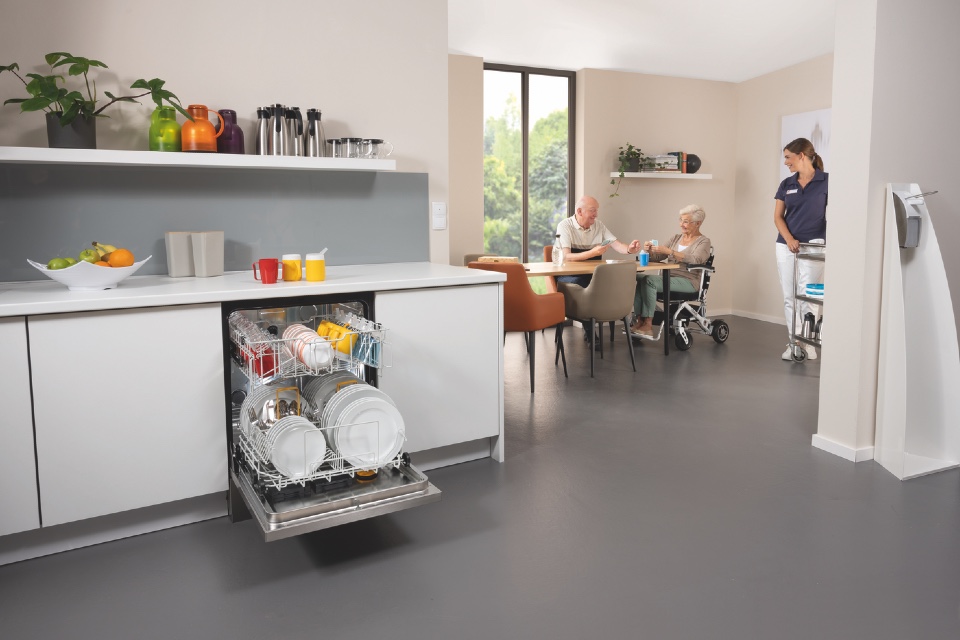
Commercial laundry, dishwashing and cleaning solutions designed to support high standards of hygiene and infection prevention across care and healthcare settings.
Website: https://www.miele.co.uk/p/
Meet Infection Control Suppliers
Care-home infection prevention depends on the interaction between suitable products, reliable processes and confident staff. Reviewing cleaning chemicals, PPE, hand-hygiene facilities, equipment decontamination, laundry and waste systems can help managers identify gaps before they contribute to an infection incident.
The Care Forum brings senior care professionals together with cleaning, hygiene, infection-control, compliance and care-equipment suppliers through pre-arranged one-to-one meetings.
Delegates can discuss current requirements, compare product categories and meet suppliers capable of supporting both everyday infection prevention and longer-term operational improvement.
Visit the Care Forum website to find out more about attending and meeting infection-control suppliers.
Photo by Christine Sandu on Unsplash