


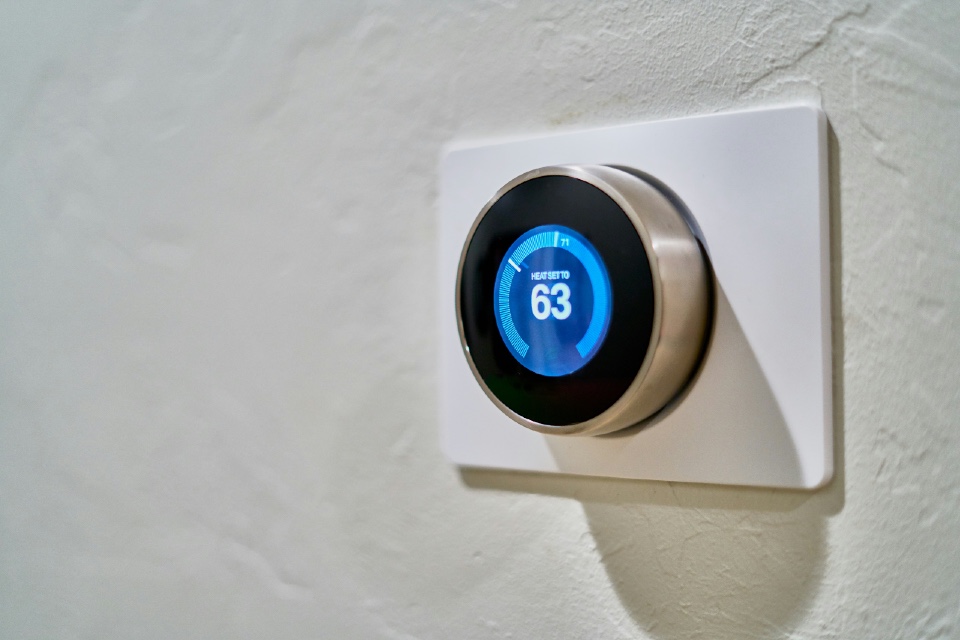
While digital care planning and workforce management systems often attract significant attention, some of the most impactful innovations are now being deployed directly within resident bedrooms and bathrooms. Smart beds, falls detection systems, connected nurse call platforms and occupancy monitoring technologies are helping care providers gain greater visibility into resident needs while supporting more proactive care…
As workforce pressures continue and resident care requirements become more complex, many providers are exploring how connected technologies can complement traditional care practices and improve outcomes. Importantly, the most effective solutions are designed to support carers rather than replace human interaction.
Smart Beds and Occupancy Monitoring
Smart care beds are becoming increasingly sophisticated. Modern systems can monitor factors such as:
- bed occupancy;
- movement patterns;
- sleep quality;
- bed exit events; and
- pressure management requirements.
This information can help care teams identify changes in resident behaviour and wellbeing while supporting falls prevention strategies.
For residents at risk of wandering or unassisted bed exits, automated alerts can enable earlier intervention and potentially reduce the likelihood of incidents.
The data generated can also help support personalised care planning and improve understanding of individual resident needs.
Falls Detection Is Becoming More Proactive
Falls remain one of the most significant risks within care environments. Traditional approaches often rely on staff observation and routine checks. Increasingly, however, providers are adopting sensor-based technologies that can detect unusual movement patterns or identify when a resident may have fallen. Solutions may include:
- floor sensors;
- wearable devices;
- room-based monitoring systems;
- motion detection technologies; and
- AI-enabled monitoring platforms.
By providing earlier alerts, these systems can help improve response times and reduce the impact of incidents.
Connected Nurse Call Systems Improve Communication
Nurse call technology has evolved significantly in recent years. Modern platforms are increasingly integrated with wider care technology ecosystems, allowing alerts to be prioritised and directed to the most appropriate staff members. Benefits can include:
- faster response times;
- improved staff coordination;
- better visibility of resident needs;
- enhanced reporting; and
- reduced alarm fatigue.
For multi-unit care environments, integrated communication systems can also help improve operational efficiency and workforce deployment.
Bathroom Monitoring Technologies
Bathrooms can present particular risks for vulnerable residents, especially those with mobility challenges or cognitive impairments. A growing range of technologies is helping care providers improve safety without compromising dignity. Examples include:
- occupancy monitoring systems;
- inactivity alerts;
- emergency assistance technologies;
- slip and fall detection solutions; and
- environmental monitoring sensors.
These tools can help staff identify potential issues more quickly while supporting resident independence wherever possible.
Balancing Technology with Privacy and Dignity
As monitoring technologies become more sophisticated, care providers must carefully balance safety benefits with privacy considerations. Successful deployments typically involve:
- transparent policies;
- resident and family engagement;
- clear governance procedures;
- GDPR compliance measures; and
- regular reviews of technology usage.
Technology should enhance quality of life and care outcomes while respecting individual dignity and autonomy.
Smart Equipment Implementation Checklist
When evaluating connected care technologies, providers should consider:
- Resident care objectives and use cases
- Integration with existing care systems
- Ease of use for care staff
- Alert accuracy and reliability
- Data security and GDPR compliance
- Scalability across the care environment
- Maintenance and support requirements
- Training and change management needs
- Resident dignity and privacy considerations
- Reporting and analytics capabilities
Integration and Governance Recommendations
Successful smart care deployments should include:
- Clear ownership and governance structures
- Integration with nurse call and care planning systems
- Defined response protocols for alerts
- Regular system testing and maintenance
- Staff training programmes
- Data access controls and audit trails
- Ongoing evaluation of resident outcomes
Product Guide: Connected Care Technologies
Smart Beds & Monitoring
- Opera Beds
- Invacare
- Harvest Healthcare
- Apex Medical
Falls Detection & Monitoring
- Tunstall Healthcare
- SensorCare
- Ally Cares
- TakingCare
Nurse Call Systems
- Courtney Thorne
- Aid Call
- Tunstall Healthcare
- Intercall
Connected Care Platforms
- Nourish Care
- Person Centred Software
- Access Care Planning
- Birdie
Room & Environmental Monitoring
- Alert-iT
- Chiptech
- Careium
- Legrand Care
Technology Should Support Better Care, Not Replace It
The adoption of connected technologies within resident bedrooms and bathrooms is likely to continue accelerating as providers seek to improve safety, efficiency and quality of care.
However, the most successful organisations recognise that technology is only one part of the solution. Smart equipment delivers the greatest value when combined with skilled care teams, strong governance and a person-centred approach to care delivery.
The opportunity is not simply to digitise resident environments, but to create safer, more responsive and more supportive care experiences that improve outcomes for both residents and staff. As the sector continues to evolve, connected care technology will increasingly become an important component of modern, high-quality care provision.
Are you searching for Bedroom or Bathroom Equipment solutions for your organisation? The Care Forum can help!
Photo by Dan LeFebvre on Unsplash