


The physical environment plays a vital role in the wellbeing, confidence and independence of people living with dementia. While care quality and staff support remain fundamental, the design of bedrooms and bathrooms can significantly influence how residents navigate their surroundings, maintain routines and feel comfortable within their living spaces…
For care home operators, creating dementia-friendly environments is increasingly recognised as an important component of person-centred care. Thoughtful design can help reduce anxiety, minimise confusion, improve safety and support residents in maintaining independence for longer.
Importantly, effective dementia-friendly design does not necessarily require extensive refurbishment. Often, relatively simple changes to furniture, fixtures, lighting and colour schemes can have a meaningful impact on daily life.
Using Colour, Contrast and Orientation to Improve Confidence
People living with dementia may experience difficulties with perception, depth judgement and spatial awareness. Clear visual contrast can help residents distinguish important features within a room. For example, contrasting colours between walls, floors, furniture and bathroom fixtures can make spaces easier to navigate and reduce confusion.
Good design principles often include:
- clearly identifiable bedroom doors;
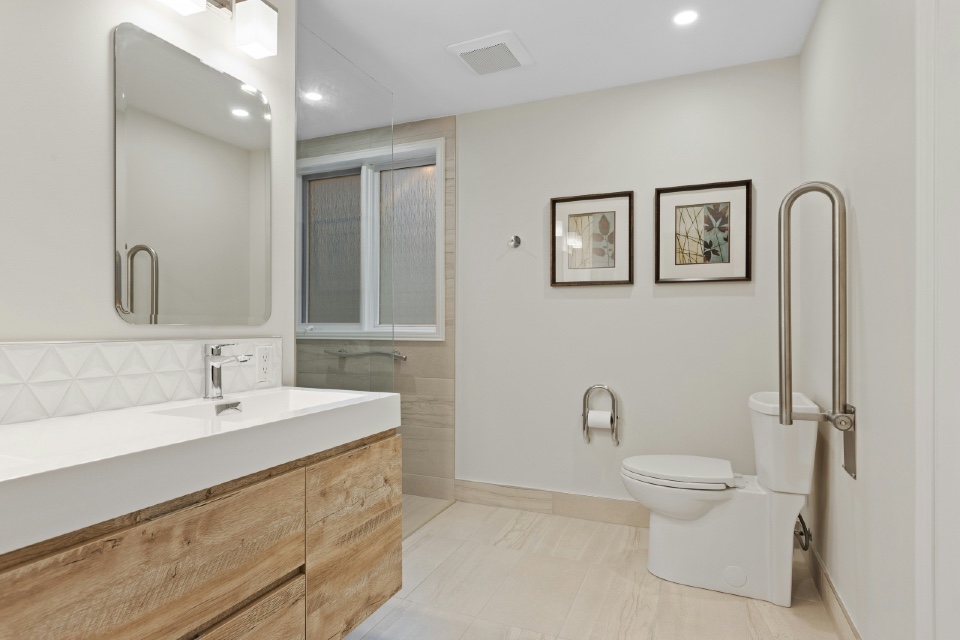
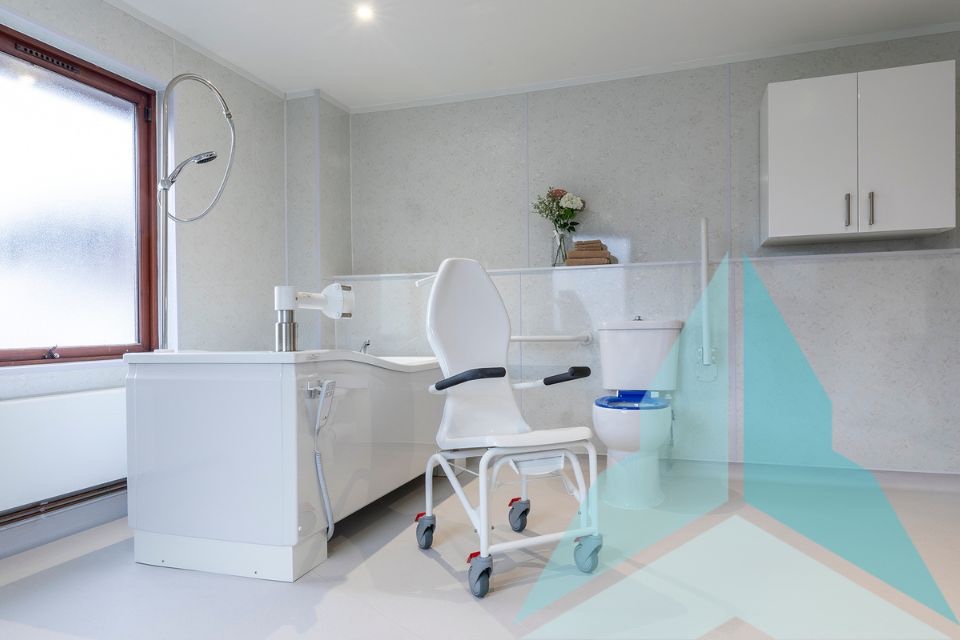
- contrasting toilet seats and grab rails;
- easy-to-read signage;
- simple room layouts; and
- visual cues that support orientation.
Maintaining consistency throughout a care home can also help residents develop familiarity and confidence when moving around the environment.
Familiarity and Comfort Support Wellbeing
Creating a homely atmosphere remains one of the most important aspects of dementia-friendly design. Bedrooms should feel personal and recognisable rather than institutional. Familiar furniture styles, personal belongings, photographs and memory cues can all help reinforce identity and reduce feelings of disorientation.
Care providers are increasingly seeking equipment and furnishings that balance practical care requirements with residential aesthetics. This approach helps create environments that support emotional wellbeing while maintaining safety and functionality.
Safe Bathroom Design Is Essential
Bathrooms can present particular challenges for residents living with dementia.
Unfamiliar layouts, poor lighting or difficult-to-identify fixtures may increase anxiety and contribute to falls risks. Designing bathrooms that are intuitive and easy to use can support both safety and independence. Key considerations include:
- clear visual contrast between fixtures and surfaces;
- non-slip flooring;
- accessible showers and bathing equipment;
- easy-to-use taps and controls;
- appropriate lighting; and
- strategically positioned grab rails.
The aim is to create spaces that encourage confidence while reducing the need for unnecessary assistance.
Sensory Design Is Growing in Importance
Increasingly, care providers are recognising the value of sensory considerations within bedrooms and bathrooms.
Appropriate lighting, reduced glare, noise management and calming colour palettes can help create more comfortable environments for residents.
Some care homes are also incorporating sensory products and adaptive technologies designed to support relaxation, orientation and emotional wellbeing.
These features can be particularly valuable for residents experiencing anxiety, agitation or confusion.
Dementia-Friendly Design Checklist
When reviewing bedrooms and bathrooms, care providers should consider:
- Clear colour contrast and visual cues
- Easy-to-read signage and orientation aids
- Familiar and homely furniture styles
- Accessible bathroom layouts
- Non-slip flooring and falls prevention measures
- Appropriate lighting and glare reduction
- Dementia-friendly storage and organisation
- Sensory comfort considerations
- Safe and intuitive fixtures and fittings
- Regular maintenance and usability reviews
Product Guide: Dementia-Friendly Equipment and Design Solutions
Furniture & Bedroom Solutions
- Knightsbridge Furniture
- Edison & Day
- Teal Living
- Renray Healthcare
Specialist Lighting
- PhotonStar LED
- Thorlux Lighting
- Ansell Lighting
- Signify (Philips)
Bathroom & Accessibility Equipment
- AKW
- Closomat
- Gainsborough Specialist Baths
- Arjo
- Etac
Sensory & Wellbeing Products
- Experia
- ROMPA
- Rehasense
- Active Minds
Designing for Dignity and Independence
As dementia care continues to evolve, the design of care environments will play an increasingly important role in supporting resident outcomes.
The most effective dementia-friendly bedrooms and bathrooms combine safety, accessibility and comfort in ways that help residents remain as independent as possible. For care home leaders, investment in thoughtful design is an opportunity to improve wellbeing, enhance quality of life and deliver more person-centred care.
By focusing on usability, familiarity and dignity, providers can create environments that better support both residents and care teams, while contributing to a more positive overall care experience.
Photo by Maria Sime on Unsplash