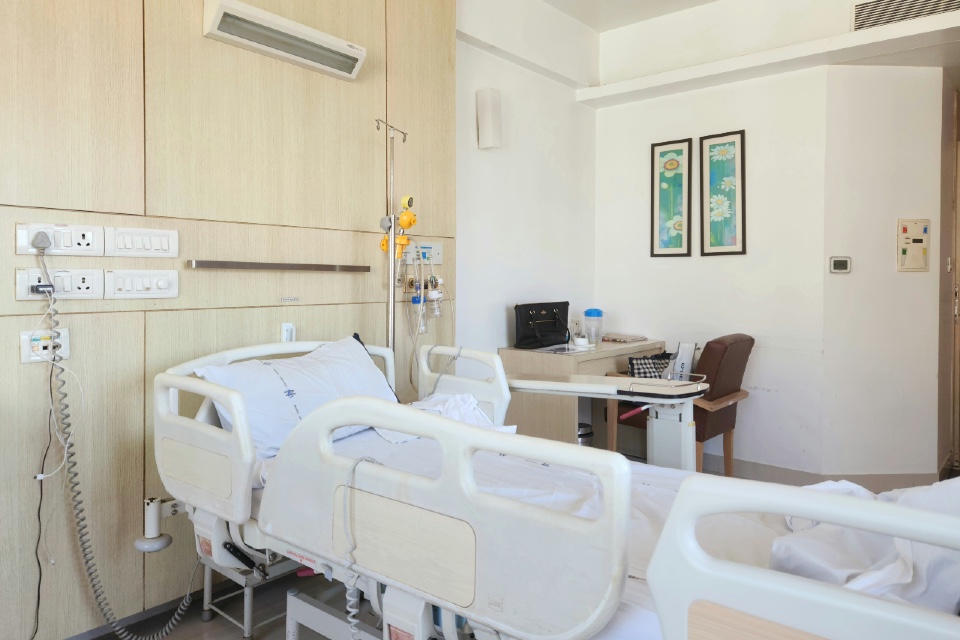



For individuals with reduced mobility or those confined to beds and chairs for prolonged periods, pressure sores or pressure ulcers can be a genuine concern. These painful lesions result from sustained pressure on specific parts of the body, such as the heels, hips, and sacrum. UK residential care homes employ various pressure relieving equipment and solution types to alleviate these issues, ensuring the safety and comfort of their residents – here are some of the most in-demand solution being discussed at the upcoming Care Forum…
Effective pressure care is therefore a critical component of resident well-being, helping care homes improve comfort, maintain dignity and reduce the risk of avoidable injuries.
This guide explores the essential pressure relieving equipment every care home should consider, outlining how each solution works, its benefits and when it is most appropriately used.
Why Pressure Relief Equipment Matters
Pressure ulcers can develop in a matter of hours when blood flow to the skin is restricted by prolonged pressure. Residents most at risk include:
- Individuals with limited mobility
- Bedbound residents
- Wheelchair users
- People recovering from surgery or illness
- Residents with poor circulation or fragile skin
- Those living with neurological conditions
Investing in the right pressure care equipment helps care homes:
- Reduce the risk of pressure ulcers
- Improve resident comfort and quality of life
- Support skin integrity and wound prevention
- Reduce manual handling demands on staff
- Improve compliance with care standards and best practice guidelines
Pressure-Relieving Mattresses
What Are They?
Pressure-relieving mattresses are designed to distribute body weight more evenly across the sleeping surface, reducing pressure on vulnerable areas.
They are commonly available in:
- High-specification foam
- Alternating air systems
- Gel-based designs
- Hybrid mattresses combining foam and air technologies
Benefits
- Reduces sustained pressure on high-risk areas
- Improves comfort during prolonged bed rest
- Supports pressure ulcer prevention and management
- Available for varying levels of clinical need
Best For…
- Bedbound residents
- Individuals with reduced mobility
- Residents assessed as medium to high risk of pressure ulcers
Pressure Relief Cushions
What Are They?
Pressure relief cushions are placed on wheelchairs, armchairs or specialist seating to redistribute pressure and improve posture.
Available options include:
- Foam cushions
- Gel cushions
- Air-cell cushions
- Dynamic pressure-relieving cushions
Benefits
- Reduces pressure when seated for long periods
- Improves comfort and positioning
- Supports posture and pressure management simultaneously
- Portable and easy to integrate into existing seating
Best For…
- Wheelchair users
- Residents who spend prolonged periods sitting
- Individuals with existing pressure damage
Heel Protectors and Elbow Pads
What Are They?
These padded devices provide targeted protection for particularly vulnerable pressure points.
Typically manufactured from soft foam, fibre-fill or pressure-distributing materials, they help reduce direct pressure and friction.
Benefits
- Protects vulnerable skin areas
- Reduces friction and shear forces
- Supports healing of existing pressure damage
- Easy to apply and remove
Best For…
- Residents with fragile skin
- Individuals with existing pressure ulcers
- Residents identified as high-risk during assessments
Air-Flow Boots and Pressure Care Blankets
What Are They?
Air-flow products help improve air circulation around the skin while reducing moisture build-up, friction and heat retention.
These specialist devices are particularly effective for protecting heels and lower limbs.
Benefits
- Enhances skin ventilation
- Reduces moisture-related skin breakdown
- Minimises friction and shear
- Improves comfort for high-risk residents
Best For…
- Residents confined to bed for extended periods
- Individuals with compromised skin integrity
- High-risk pressure care environments
Turning and Repositioning Systems
What Are They?
Turning and repositioning systems automatically assist with regular position changes throughout the day and night.
These systems reduce prolonged pressure without requiring constant manual intervention from care staff.
Benefits
- Promotes regular repositioning
- Reduces staff workload
- Supports safer manual handling practices
- Helps prevent pressure build-up over time
Best For…
- Residents with severe mobility limitations
- Individuals requiring frequent repositioning
- Long-term bedbound residents
Lateral Rotation Mattresses
What Are They?
Lateral rotation mattresses use automated air systems to gently rotate residents from side to side at programmed intervals.
This movement helps reduce pressure accumulation and can support respiratory function.
Benefits
- Continuous pressure redistribution
- Reduces need for manual turning
- Supports pulmonary health
- Enhances resident comfort
Best For…
- Residents at very high risk of pressure ulcers
- Individuals with spinal injuries
- Residents with respiratory complications
Pressure Mapping Systems
What Are They?
Pressure mapping technology uses sensor-based systems to identify pressure hotspots in real time.
Care teams can use this information to optimise seating, mattresses and positioning strategies.
Benefits
- Provides objective pressure data
- Enables personalised care plans
- Improves equipment selection decisions
- Supports preventative interventions
Best For…
- Clinical assessments
- Residents with complex pressure care needs
- Care homes seeking evidence-based pressure management
Skin Protection and Barrier Care Products
What Are They?
Pressure care extends beyond mattresses and cushions. Specialist creams, moisturisers and barrier products help maintain skin health and protect against moisture, friction and shear.
Benefits
- Supports skin integrity
- Helps prevent skin breakdown
- Protects against incontinence-related moisture damage
- Complements physical pressure-relieving equipment
Best For…
- Residents with delicate or ageing skin
- Individuals at increased risk of skin breakdown
- Daily preventative care routines
How to Choose the Right Pressure Care Equipment
When evaluating pressure-relieving solutions, care homes should consider:
- Resident Risk Levels: Equipment should align with each resident’s individual pressure ulcer risk assessment.
- Mobility Requirement: The needs of a fully mobile resident differ significantly from those of a bedbound individual.
- Clinical Complexity: Residents with existing pressure ulcers may require more advanced solutions such as dynamic mattresses or automated repositioning systems.
- Ease of Use: Equipment should be simple for staff to operate, maintain and clean while fitting seamlessly into daily care routines.
- Infection Prevention: Look for products that support effective infection control through easy cleaning and durable, healthcare-grade materials.
- Cost Versus Long-Term Value: While advanced pressure care systems may involve higher upfront costs, they can significantly reduce treatment costs associated with pressure ulcers and improve overall resident outcomes.
Every resident should receive an individual pressure ulcer risk assessment, with equipment selected according to mobility, clinical needs and the likelihood of skin breakdown.
Best Practice Strategies for Effective Pressure Care
Pressure-relieving equipment delivers the greatest benefits when combined with a proactive pressure care programme. Care homes should:
- Conduct regular pressure risk assessments
- Review resident needs frequently
- Implement repositioning schedules
- Train staff on pressure ulcer prevention
- Monitor skin condition consistently
- Use pressure care equipment as part of a holistic care plan
- Involve multidisciplinary teams in decision-making
Investing in Better Resident Outcomes
Pressure care is about protecting resident health, dignity and quality of life.
By selecting the right combination of mattresses, cushions, positioning systems, protective devices and skin care products, care homes can significantly reduce the risk of pressure ulcers while improving comfort and well-being for some of their most vulnerable residents.
If you’re researching Pressure care solutions for your care home business, the Care Forum can help.
Image by Adriana Morales from Pixabay