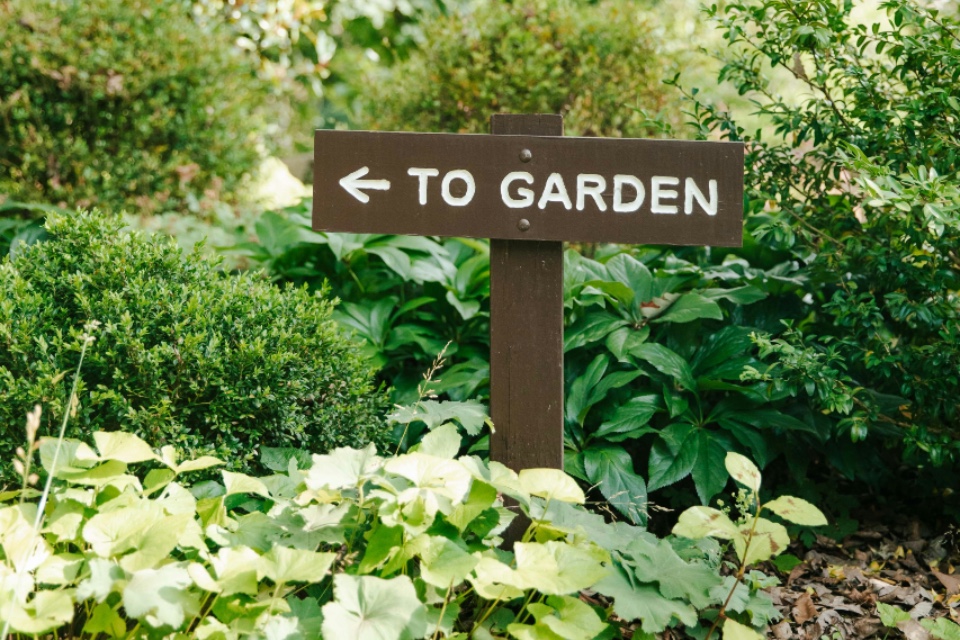



For those living with dementia, the world can become a confusing and disorienting place. However, a thoughtfully designed dementia sensory garden can offer a haven of stimulation and comfort in a residential care home setting. These vibrant spaces, brimming with sights, sounds, smells, and textures, can unlock a multitude of benefits for residents, enriching their lives and fostering well-being. Let’s explore the magic of sensory gardens and their positive impact on those with dementia…
How Can a Dementia Sensory Garden Improve Mental and Emotional Well-Being?
People living with dementia often experience confusion, anxiety and agitation as their condition progresses. Spending time outdoors in a carefully designed sensory garden can provide reassurance, familiarity and gentle stimulation that helps reduce these feelings.
Natural sights, sounds and scents can encourage relaxation while also triggering positive memories and emotions. Simply hearing birdsong, smelling lavender or feeling the texture of different plants can help residents feel calmer, more engaged and connected to their surroundings.
Sensory gardens also encourage social interaction, giving residents opportunities to spend time with family members, other residents and care staff in a peaceful environment that supports conversation and shared experiences.
Stimulating Memories and Cognitive Function
The sights, sounds, and smells of a sensory garden can trigger powerful memories and evoke positive emotions in residents with dementia. The fragrance of lavender or rosemary might transport them back to a childhood garden, while the sound of trickling water might bring back memories of a favourite beach holiday. These sensory experiences can stimulate cognitive function, bringing moments of clarity and joy.
Promoting Relaxation and Reducing Anxiety
Sensory gardens provide a calming environment that can significantly reduce anxiety and agitation in residents with dementia. The gentle sounds of wind chimes, the calming textures of soft leaves, and the vibrant colours of blooming flowers all create a peaceful atmosphere that promotes relaxation and well-being. Spending time in this serene environment can lower stress levels and improve overall mood.
Encouraging Physical Activity and Independence
Safe outdoor environments encourage gentle movement and exploration, both of which are important for maintaining mobility and confidence.
Residents can:
- Walk along accessible garden paths
- Water plants or participate in light gardening activities
- Explore different textures and scents
- Sit outdoors while enjoying fresh air and natural surroundings
Even small amounts of regular movement can help improve balance, coordination and overall well-being while promoting a greater sense of independence.
Enhancing Social Interaction
The garden environment can act as a natural catalyst for social interaction and communication between residents. Sharing memories evoked by the sensory elements or simply enjoying the space together can foster a sense of connection and belonging. Care staff can use the garden as a platform for reminiscence therapy sessions, further encouraging communication and social interaction.
What to Add to Your Dementia Sensory Garden
Creating a sensory garden specifically for residents with dementia requires careful consideration. Here are some key features:
Accessible Pathways
Wide, level pathways with non-slip surfaces allow residents to move safely and confidently around the garden, including those using walking aids or wheelchairs.
Fragrant and Textured Planting
Choose plants that stimulate multiple senses, including:
- Lavender
- Rosemary
- Mint
- Thyme
- Lamb’s Ear
- Ornamental grasses
These provide familiar scents, interesting textures and seasonal colour.
Water Features and Natural Sounds
Gentle water features, wind chimes and bird feeders create calming soundscapes that encourage relaxation without becoming overwhelming.
Comfortable Seating Areas
Provide benches with backrests, shaded seating and quiet spaces where residents can rest, socialise or simply enjoy being outdoors.
Raised Planters and Gardening Areas
Raised beds make gardening activities accessible for residents with limited mobility while encouraging purposeful activity and engagement.
Safe Boundaries
Secure fencing and easy-to-follow pathways allow residents to explore safely while maintaining their independence.
Designing a Dementia-Friendly Outdoor Space
Creating a dementia-friendly garden involves more than simply choosing the right plants. Successful gardens minimise confusion by using clear pathways, avoiding visual clutter and providing familiar landmarks that help residents navigate independently.
Simple design choices such as contrasting pathway edges, consistent seating locations and sheltered rest areas can make outdoor spaces easier to use while promoting confidence and reducing anxiety.
Conclusion
Sensory gardens are more than just beautiful spaces; they offer a vital source of comfort, stimulation, and well-being for residents with dementia. By creating safe, accessible and engaging outdoor spaces, care homes can improve quality of life, encourage independence and provide residents with opportunities to reconnect with nature, memories and the people around them. As person-centred dementia care continues to evolve, sensory gardens are becoming an increasingly important part of delivering compassionate, holistic support.
Are you looking for Sensory Garden solutions for your organisation? The Care Forum can help!
Photo by Joey Genovese on Unsplash