


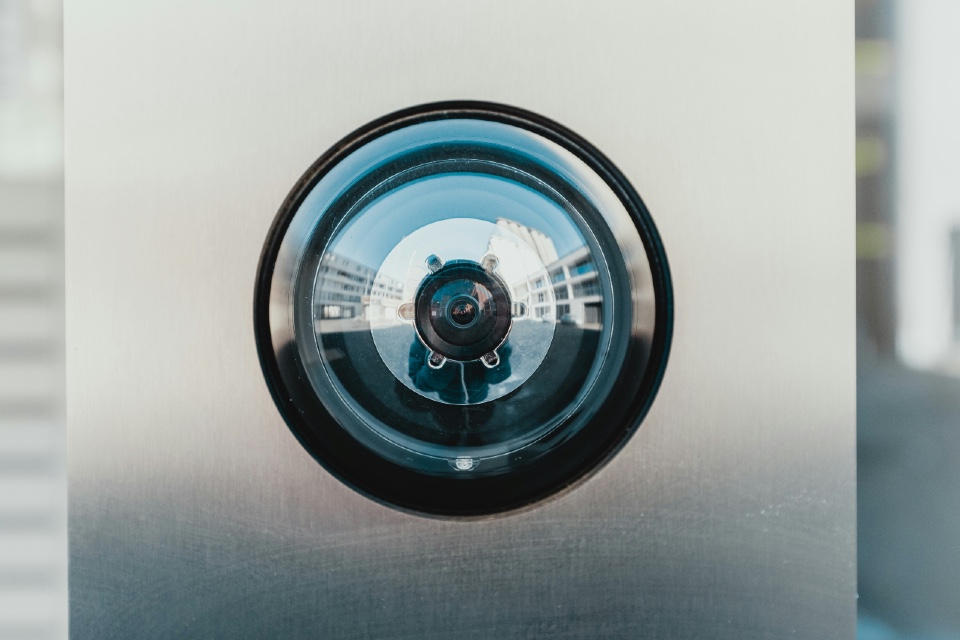
The use of physical care home security systems reflects the sector’s focus on safeguarding vulnerable residents, ensuring staff safety, and complying with regulatory standards. Modern solutions now combine advanced technologies with tailored strategies to meet the unique challenges of care environments. Here’s an overview of the biggest developments, including best practices, technologies, and future outlook…
Best Practices: Safety and Dignity
Effective physical security in care homes must balance safety with respect for resident autonomy. Many residents live with dementia, mobility challenges or cognitive impairments, meaning security measures must be both protective and sensitive.
Best practice approaches include:
- Maintaining privacy while protecting vulnerable residents
- Using discreet security measures that do not feel restrictive
- Designing safe yet welcoming environments
- Avoiding overly institutional or confining features
- Ensuring staff can operate systems easily and efficiently
Policies now also focus on balancing safety with accessibility, ensuring systems are intuitive for staff and minimally disruptive for residents.
Advanced Access Control Systems
Modern care homes are increasingly adopting smart access control systems that go beyond traditional locks and keys. These systems use key cards, biometric readers, or mobile credentials to grant access, providing enhanced security and eliminating the risks associated with lost keys.
For memory care units, wander management systems integrate with access controls to alert staff if residents attempt to exit restricted areas, ensuring their safety without constant supervision.
CCTV with AI Analytics
Surveillance systems in care homes now incorporate AI-driven video analytics, enabling real-time monitoring and incident detection. These systems can identify unusual behaviour, such as falls or unauthorised access, and alert staff immediately. AI reduces the need for manual monitoring, enhancing efficiency and response times.
CCTV systems are also used to safeguard staff against false accusations, providing an added layer of accountability and trust.
Integration with Emergency and Environmental Sensors
Physical security systems are increasingly integrated with environmental sensors for fire, smoke, or gas detection, ensuring comprehensive safety. Man-down alarms and panic buttons are also being deployed to protect staff during emergencies or confrontations.
Integrated systems ensure faster response times and more coordinated emergency management across the care home.
Essential Technologies to Add to Your Care Home’s Security System
Modern care homes benefit from combining multiple technologies into a unified safety ecosystem.
Essential technologies to consider include:
- Smart access control systems for secure entry management
- AI-powered CCTV for proactive monitoring and incident detection
- Wander management systems for dementia care units
- Wireless panic buttons and staff safety alarms
- Integrated environmental monitoring sensors
- Centralised security dashboards for real-time oversight
- Cloud-based incident reporting and alerts
When used together, these technologies provide a more complete and responsive security framework.
Costs and ROI
While advanced systems can involve higher upfront costs, their ability to prevent incidents, reduce liability, and improve operational efficiency offers substantial long-term ROI. Many providers now offer subscription-based models, making solutions more accessible for smaller care homes.
Outlook: AI and Predictive Safety
The future of care home security lies in predictive analytics powered by AI, enabling proactive risk management. Integration with smart building systems and wearable devices is also expected to grow, enhancing safety and operational efficiency.
The focus should remain on balancing advanced protection with resident dignity, ensuring that technology supports the human element of care, rather than replacing it.
Conclusion
Physical security systems are becoming an essential part of modern care home operations. By combining best practices with advanced technologies such as AI surveillance, smart access control and integrated sensors, care homes can create safer environments for both residents and staff. The most effective care home security systems are those that protect without intruding, ensuring safety, dignity and quality of life remain at the centre of care delivery.
Are you searching for Security solutions for your organisation? The Care Forum can help!
Photo by Bernard Hermant on Unsplash