


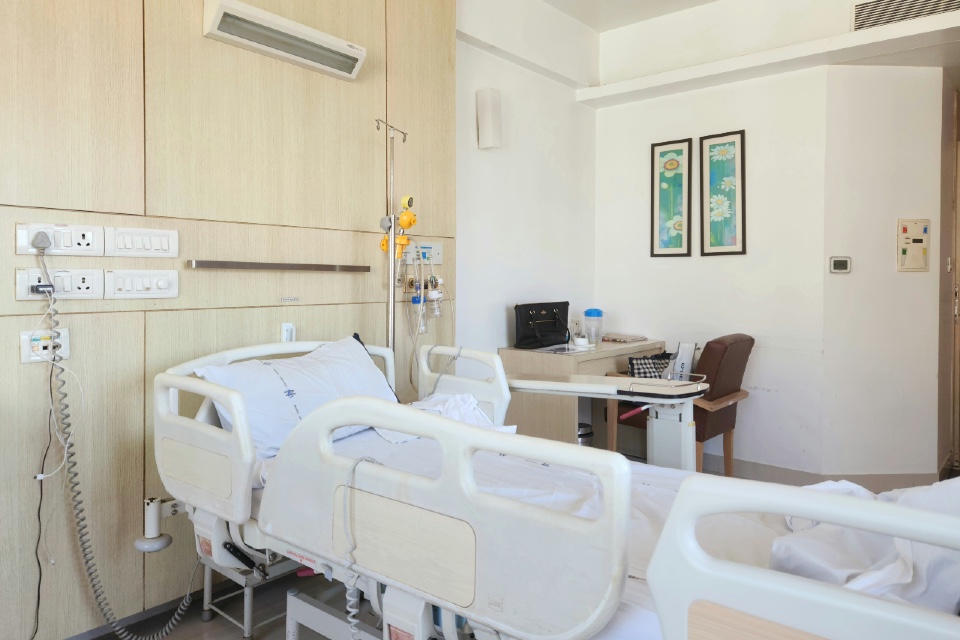
Pressure care equipment can play an important role in protecting residents who are at risk of developing pressure ulcers. But equipment is only one part of prevention. As explored in our earlier Pressure Care Mattresses & Equipment: What Care Providers Should Compare buyer’s guide, even an appropriately selected mattress cannot compensate for weaknesses elsewhere in a resident’s pressure care. Effective prevention requires care providers to connect risk assessment, equipment, repositioning, skin assessment, nutrition, mobility, staff knowledge and ongoing review.
The objective is not simply to respond when skin damage appears.
It is to identify risk early enough to prevent that damage wherever possible.
Start with Individual Pressure Ulcer Risk
Pressure ulcer prevention should begin with the individual resident rather than the equipment available.
Risk factors can include:
- Reduced mobility
- Previous pressure ulcers
- Poor nutrition
- Incontinence or moisture
- Reduced sensation
- Cognitive impairment
- Poor circulation
- Serious illness
- Frailty
NICE recommends carrying out and documenting pressure ulcer risk assessments for adults considered to be at risk, using clinical judgement supported by a validated scale.
NICE – Pressure Ulcers: Prevention and Management – https://www.nice.org.uk/guidance/cg179
But risk assessment should not become a tick-box exercise.
A score can support clinical judgement; it does not replace it.
Pressure Care Principle
Assess the resident, not simply the risk score.
Create an Individualised Care Plan
Where a resident is identified as being at high risk, NICE recommends developing and documenting an individualised care plan.
Depending on the resident, this can cover:
- Pressure-relieving equipment
- Repositioning
- Mobility
- Skin assessment
- Nutrition
- Continence
- Resident preferences
This provides an important distinction between providing pressure care equipment and delivering pressure care.
The mattress, cushion or other support surface should form part of a wider plan reflecting the resident’s changing needs.
Choose Equipment According to Need
Pressure-relieving equipment may include:
- High-specification foam mattresses
- Dynamic or alternating-pressure mattresses
- Pressure-relieving cushions
- Positioning aids
- Specialist seating
Providers such as Blueleaf Care and Beaucare Medical supply pressure care and wider care equipment designed for residential, nursing and healthcare environments.
Blueleaf Care – https://www.blueleafcare.com/
Beaucare Medical – https://www.beaucare.com/
Equipment selection should consider factors including:
- Level of risk
- Mobility
- Existing skin damage
- Body weight and dimensions
- Comfort
- Ability to reposition
- Continence
- Clinical requirements
The highest-specification product is not automatically the right product.
The objective is the appropriate support surface for the individual resident.
Repositioning Remains Important
Pressure-relieving mattresses do not necessarily remove the need for repositioning.
NICE recommends encouraging adults at risk of developing a pressure ulcer to change position frequently, with documented repositioning schedules for those unable to reposition themselves sufficiently.
Care plans should establish:
Who needs repositioning?
How frequently?
What assistance is required?
How will it be recorded?
This needs to be individualised rather than reduced to one universal timetable for every resident.
Care Insight
The mattress supports the prevention strategy. It does not replace movement.
Pay Attention to Heels and Other High-Risk Areas
Pressure ulcers commonly develop around bony prominences where pressure is concentrated.
Areas requiring particular attention can include:
- Heels
- Sacrum
- Hips
- Elbows
- Ankles
NICE specifically recommends an individualised strategy for people at high risk of developing heel pressure ulcers.
That might involve positioning techniques or specialist pressure-relieving equipment depending on the resident’s circumstances.
Routine care should therefore consider the whole body rather than focusing solely on the mattress interface.
Make Skin Assessment Part of Everyday Care
Skin changes can provide early warning that pressure damage is developing.
Staff should know what to look for and when to escalate concerns.
NICE recommends skin assessment for adults assessed as being at high risk, including checks for:
- Skin integrity
- Colour changes or discolouration
- Variations in heat
- Firmness
- Moisture
Changes may present differently according to skin tone, making appropriate staff knowledge particularly important.
Early recognition creates an opportunity to intervene before damage progresses.
Manage Moisture and Continence
Pressure is not the only threat to skin integrity.
Moisture associated with incontinence, perspiration or wound exudate can increase vulnerability to skin damage.
Pressure care strategies should therefore connect with continence and skin-care planning.
This can include:
- Appropriate continence products
- Timely changing
- Gentle cleansing
- Skin protection
- Moisture management
Again, this demonstrates why pressure ulcer prevention cannot be separated into one piece of equipment or one staff responsibility.
Consider Nutrition and Hydration
Poor nutritional status can increase pressure ulcer risk and impair healing.
NICE recommends nutritional assessment for adults with pressure ulcers and appropriate nutritional support where a deficiency is identified.
For care providers, pressure care should therefore connect with:
- Nutritional screening
- Food intake
- Hydration
- Weight changes
- Dietetic support where required
Staff should understand when changes in appetite, weight or hydration may need to trigger wider review.
Keep Residents Moving Where Possible
Mobility supports pressure redistribution.
Where appropriate to the individual’s abilities and care plan, encouraging residents to:
- Stand
- Walk
- Change position
- Participate in suitable activity
can form part of the wider prevention strategy.
For residents with limited mobility, physiotherapy, occupational therapy and specialist seating input may also be relevant.
The objective should always be to support the greatest safe level of movement and independence possible.
Train Staff to Understand the Whole Strategy
Pressure ulcer prevention involves many members of the care team.
Training should help staff understand:
- Who is at risk
- Early signs of skin damage
- Repositioning
- Correct equipment use
- Escalation
- Documentation
- Moisture and skin care
- Why prevention measures matter
Equipment training is particularly important.
A sophisticated mattress that is incorrectly configured may not provide the intended support.
Staff also need to recognise when a resident’s circumstances have changed enough to require reassessment.
Review Risk When Circumstances Change
Pressure ulcer risk is not static.
A resident who was previously mobile may become temporarily bedbound following illness.
Other triggers might include:
- Hospital discharge
- Surgery
- Reduced mobility
- Weight loss
- Deteriorating health
- New continence problems
- Changes to medication or cognition
These changes should prompt consideration of whether the existing pressure care plan remains appropriate.
Review Principle
The right pressure care plan today may not be the right pressure care plan next month.
Maintain Pressure Care Equipment
Equipment also needs ongoing attention.
Care providers should establish appropriate processes for:
- Cleaning
- Inspection
- Servicing
- Damage reporting
- Replacement
- Infection prevention
Mattress covers, for example, should be inspected for damage that could compromise hygiene or performance.
For dynamic systems, staff should understand alarms and basic operational checks and know when specialist technical support is required.
Suppliers should therefore be evaluated not just on the initial product, but on the support available throughout its working life.
Learn from Pressure Ulcer Incidents
Where pressure damage does occur, review should focus on learning as well as treatment.
Useful questions include:
Was risk identified appropriately?
Was the care plan followed?
Was the equipment suitable?
Were changes in condition recognised?
Was repositioning documented?
Could staff have escalated concerns earlier?
Patterns across incidents may reveal wider opportunities for improvement in training, equipment or care processes.
A Practical Pressure Ulcer Prevention Checklist
Care providers should consider whether they:
- Assess individual pressure ulcer risk.
- Create personalised prevention plans.
- Select equipment according to clinical need.
- Establish appropriate repositioning.
- Monitor high-risk areas such as heels.
- Carry out regular skin assessment.
- Manage moisture and continence.
- Consider nutrition and hydration.
- Support mobility wherever possible.
- Train staff in prevention and equipment use.
- Reassess residents when circumstances change.
- Maintain pressure care equipment appropriately.
- Review incidents and apply learning.
Frequently Asked Questions
Can a pressure-relieving mattress prevent pressure ulcers on its own?
No. Appropriate support surfaces can reduce pressure risk, but prevention should form part of an individualised strategy including repositioning, skin assessment and other relevant care interventions.
How often should residents be repositioned?
Repositioning should reflect individual risk and clinical need rather than relying on one schedule for every resident. NICE provides recommendations for adults at risk and high risk.
When should pressure ulcer risk be reassessed?
Risk should be reviewed when the resident’s clinical condition or circumstances change, particularly where mobility, health, nutrition or continence deteriorates.
What should staff pressure care training cover?
Training can include risk factors, skin assessment, repositioning, equipment use, documentation, escalation and recognising changes that require reassessment.
Product Guide
Blueleaf Care
Care-sector supplier providing pressure care mattresses and cushions alongside furniture, equipment, consumables and other products for residential and nursing care environments.
Website: https://www.blueleafcare.com/
Beaucare Medical
Healthcare and care-home equipment supplier offering pressure-relieving mattresses, cushions and associated products alongside a broad range of medical, mobility and care equipment.
Website: https://www.beaucare.com/
From Pressure Care Equipment to Pressure Care Strategy
Preventing pressure ulcers cannot be delegated to a mattress. Equipment matters enormously, but it works as part of a much broader system:
assess → plan → equip → reposition → monitor → review
When these elements work together, care teams have a stronger opportunity to identify risk early and respond as residents’ circumstances change.
That makes pressure care an ongoing process rather than a purchasing decision.
The Care Forum connects senior care professionals with carefully selected suppliers through pre-arranged one-to-one meetings, providing an opportunity to explore pressure care equipment and the wider products and services required to deliver high-quality care.
Related Reading
This article follows our earlier Pressure Care Mattresses & Equipment: What Care Providers Should Compare buyer’s guide, covering mattress types, cushions, resident assessment, equipment selection, maintenance and supplier support.
Together, the two articles move from selecting appropriate pressure care equipment to building the wider prevention strategy that allows that equipment to work effectively.
Sources
- NICE – Pressure Ulcers: Prevention and Management – https://www.nice.org.uk/guidance/cg179
- NICE – Pressure Ulcers: Prevention and Management, Recommendations – https://www.nice.org.uk/guidance/cg179/chapter/1-recommendations
- NHS – Pressure Ulcers – https://www.nhs.uk/conditions/pressure-sores/
- NHS England – Pressure Ulcers – https://www.england.nhs.uk/patient-safety/pressure-ulcers/
- Blueleaf Care – https://www.blueleafcare.com/
- Beaucare Medical – https://www.beaucare.com/
Image credit: https://unsplash.com/photos/a-hospital-room-with-a-bed-and-a-desk-_fdWqec7VRo