

Infection control in care homes will always depend on good training and consistent practice. Senior leaders at the Care Forum are placing increasing focus on a factor that is often overlooked: the built environment. Layout, materials and cleaning protocols can either support infection prevention, or quietly undermine it every day…
With respiratory illness, norovirus outbreaks and antimicrobial resistance continuing to challenge the sector, designing safer environments is no longer just a ‘new build’ conversation. Many of the most impactful improvements can be made in existing homes through targeted changes.
Layout and flow: reducing unnecessary contact
Transmission risk increases when people and tasks collide in the same spaces. Modern infection control design starts with separating flows wherever practical: clean and dirty routes, staff and visitor movement, laundry and waste handling, and food service pathways.
Even small layout adjustments can make a difference, such as relocating PPE stations to the true point of care, reducing cross-traffic through corridors, or redesigning storage so staff don’t need to move between rooms repeatedly during personal care. Many homes are also revisiting communal area layouts to minimise bottlenecks while preserving social connection.
Zoning: making outbreak response faster
Zoning has become a practical tool for outbreak management. Clear ‘zones’ allow teams to contain risk without shutting down an entire service. This is supported by consistent signage, defined staff allocation, dedicated equipment per zone, and protocols for movement between areas.
For existing homes, zoning can be implemented with operational changes and clear wayfinding, not necessarily major refurbishment. The aim is to make the safe option the easy option, especially on busy shifts.
Materials and surfaces: choosing what cleans well
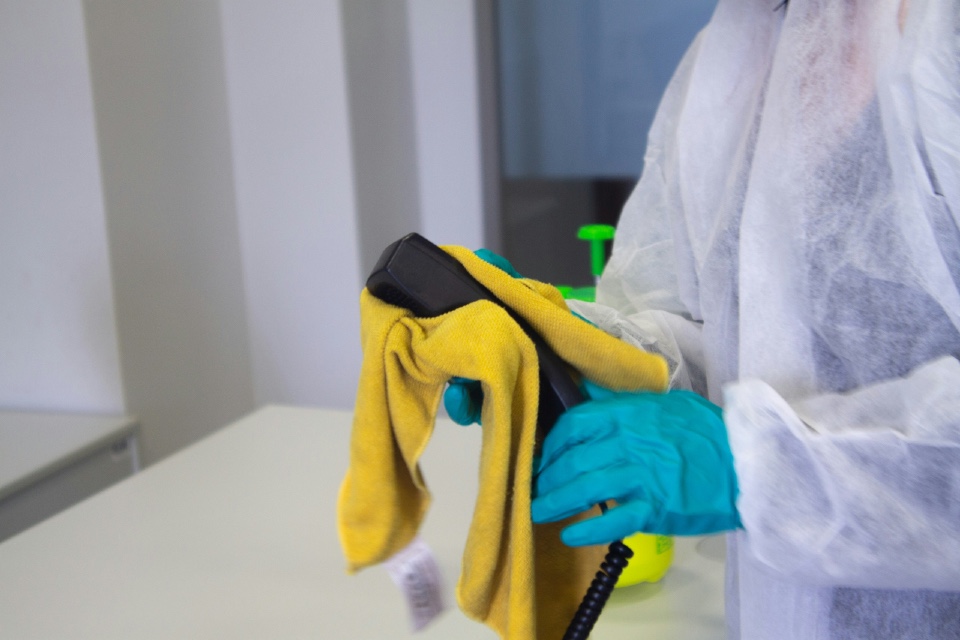
High-touch points (door handles, handrails, lift buttons, nurse call systems) are where infection risk concentrates. In 2026, best practice is to select materials that are durable, non-porous and easy to disinfect, and to reduce unnecessary touchpoints where possible.
Flooring is often underestimated. The right flooring supports effective cleaning, reduces moisture retention, and stands up to frequent disinfection without degrading. Similarly, wall finishes and joinery should be specified with cleaning in mind, avoiding textured surfaces that trap dirt and microbes.
The most effective homes standardise finishes where possible, making cleaning protocols easier and reducing the chance of incompatible products being used on different surfaces.
Ventilation: improving air, reducing risk
Ventilation has moved into the infection control mainstream. While full HVAC upgrades aren’t always feasible, homes are increasingly using a mix of maintenance improvements, airflow assessments and practical interventions to improve indoor air quality. Ventilation should be treated as part of day-to-day infection prevention, not an engineering afterthought.
Cleaning protocols: aligning process with environment
Design choices only deliver value when cleaning protocols match them. Best practice includes risk-based cleaning schedules that prioritise touchpoints, clear product compatibility guidance, and auditing that measures outcomes, not just task completion.
Crucially, storage and access matter: cleaning supplies should be available where they’re needed, and equipment should be easy to segregate by zone.
A built environment that supports safer care
Ultimately, the goal is not to create a ‘clinical’ home, but to create a space where infection prevention is naturally built into how staff move, work and clean. Care homes that reduce transmission risk most effectively will be those that treat design, materials and protocols as one integrated system.
Are you searching for Infection Control solutions for your organisation? The Care Forum can help!
Photo by PuroClean of Fort Worth on Unsplash