


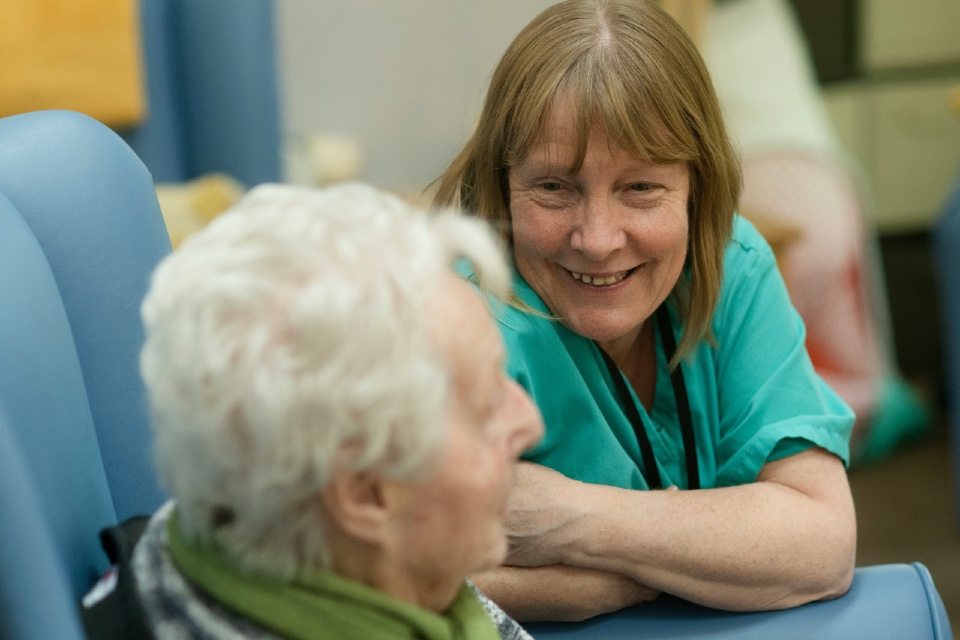
Fall prevention in care homes is one of the most critical aspects of resident safety and quality of care. Falls remain one of the leading causes of injury in residential care settings, with consequences that extend far beyond immediate injury. They can lead to hospital admission, loss of confidence, reduced mobility, safeguarding concerns, and increased regulatory scrutiny.
For care leaders, the focus is increasingly shifting from reactive response to proactive prevention, combining environmental design, assistive technology, and workforce capability to reduce risk while maintaining resident independence.
Common Incident Risks in Care Homes
Falls are only one part of a broader risk landscape in residential care. Understanding common incident types helps providers take a more preventative, system-wide approach.
Common care home risks include:
- Slips, trips, and falls during mobility or transfers
- Medication errors or missed doses
- Safeguarding incidents, including unexplained injury or neglect concerns
- Wandering or unsafe exiting in residents with cognitive impairment
- Manual handling injuries affecting both residents and staff
- Equipment-related incidents (hoists, wheelchairs, beds)
- Environmental hazards such as poor lighting, clutter, or uneven flooring
Understanding these risks helps care homes design safer systems rather than responding to incidents in isolation.
Designing Out Avoidable Risk
The physical environment plays a critical role in fall prevention. Flooring choices, lighting levels, layout and furniture positioning all influence mobility safety. Best practice now favours:
- Non-slip, matte flooring with clear colour contrast
- Even transitions between rooms to eliminate trip hazards
- Handrails in corridors and high-use areas
- Clear signage and visual cues to support residents with cognitive impairment
- Appropriate lighting that reduces glare and shadowing
Importantly, design must balance safety with dignity. Overly clinical or restrictive environments can negatively impact wellbeing and confidence, which in turn may increase fall risk.
Assistive Technology as an Enabler
Technology is increasingly part of the falls prevention toolkit. Pressure mats, wearable alert devices and bed or chair occupancy sensors allow staff to respond quickly when residents attempt to mobilise unsupported.
More advanced systems can track movement patterns over time, identifying residents whose gait or behaviour suggests increased risk. In some settings, discreet in-room monitoring systems are used with appropriate consent and governance to detect unusual movement.
However, technology should support (not replace) human observation. The most effective homes integrate assistive tools into wider care planning rather than relying on alarms alone.
Person-Centred Mobility Planning
Falls prevention cannot be separated from mobility promotion. Restricting movement may reduce short-term risk but often leads to deconditioning and higher long-term vulnerability.
A person-centred approach includes:
- Regular individual risk assessments
- Physiotherapy and mobility support where available
- Strength and balance activities
- Clear communication between care and clinical teams
- Multidisciplinary reviews following any fall
Person-centred mobility planning is becoming standard practice, ensuring root causes are addressed rather than symptoms alone.
Workforce Training and Safety Culture
Staff training remains fundamental. Safe moving and handling, recognition of early mobility decline, and confident use of equipment all reduce risk. Equally important is a culture where near misses are reported and analysed without blame.
Senior leaders play a crucial role in reinforcing that falls prevention is a shared responsibility, not solely the domain of clinical staff.
Prevention as Proactive Governance
For residential care providers, reducing falls is both a quality-of-care priority and a governance issue. Robust data tracking, regular environmental audits and continuous staff development are increasingly expected by regulators and families alike.
Conclusion
The most effective homes treat fall prevention as an integrated system, combining design, technology, training, and culture. Proactive approaches to safety protect residents while enabling them to live as independently and confidently as possible.
Are you looking for Health & Safety solutions for your care homes? The Care Forum can help!